
Bomu Mangrove restoration
This project proposal outlines a comprehensive plan to restore degraded mangrove areas, enhance biodiversity conservation, mitigate climate change impacts, and support local communities. By implementing this project, we can contribute to the sustainable management and long-term preservation of mangrove ecosystems.
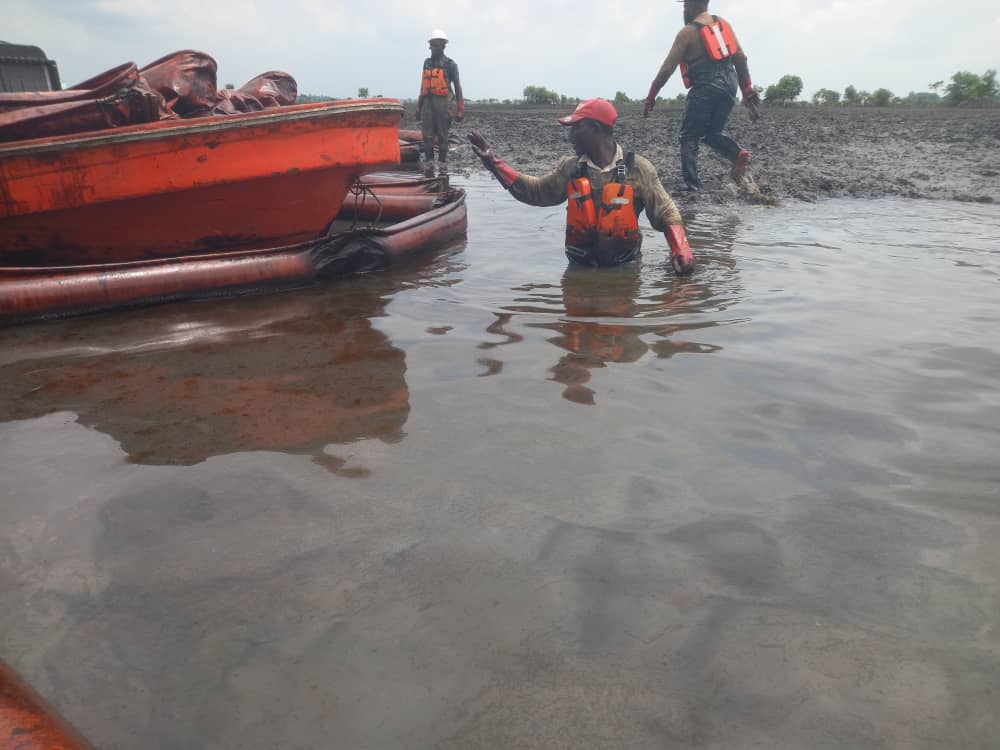
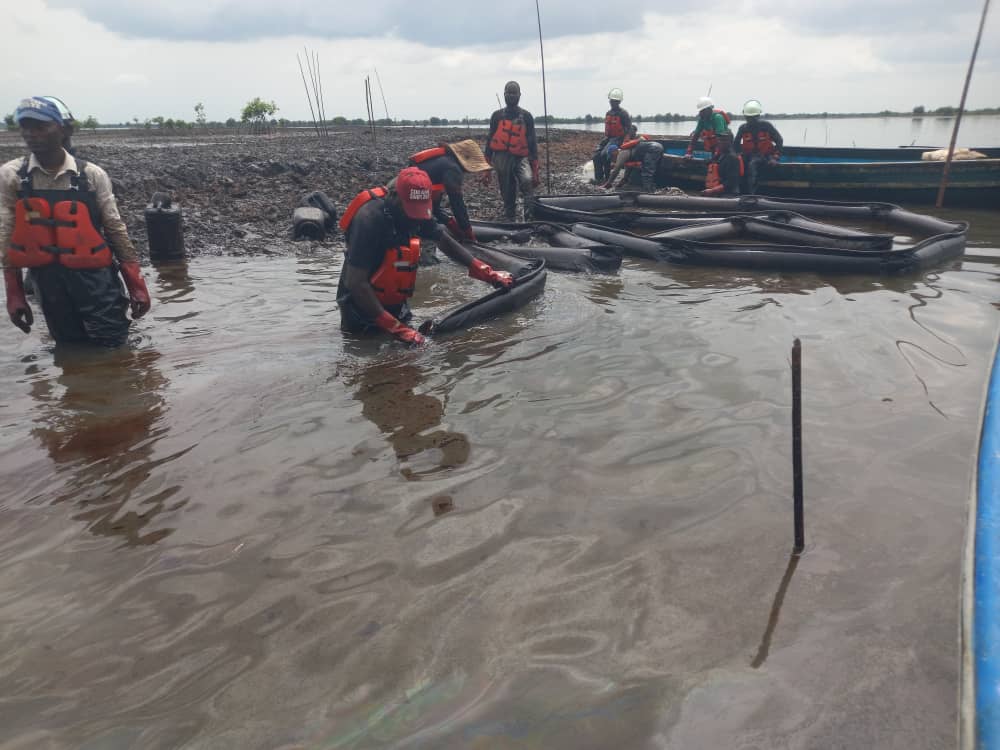
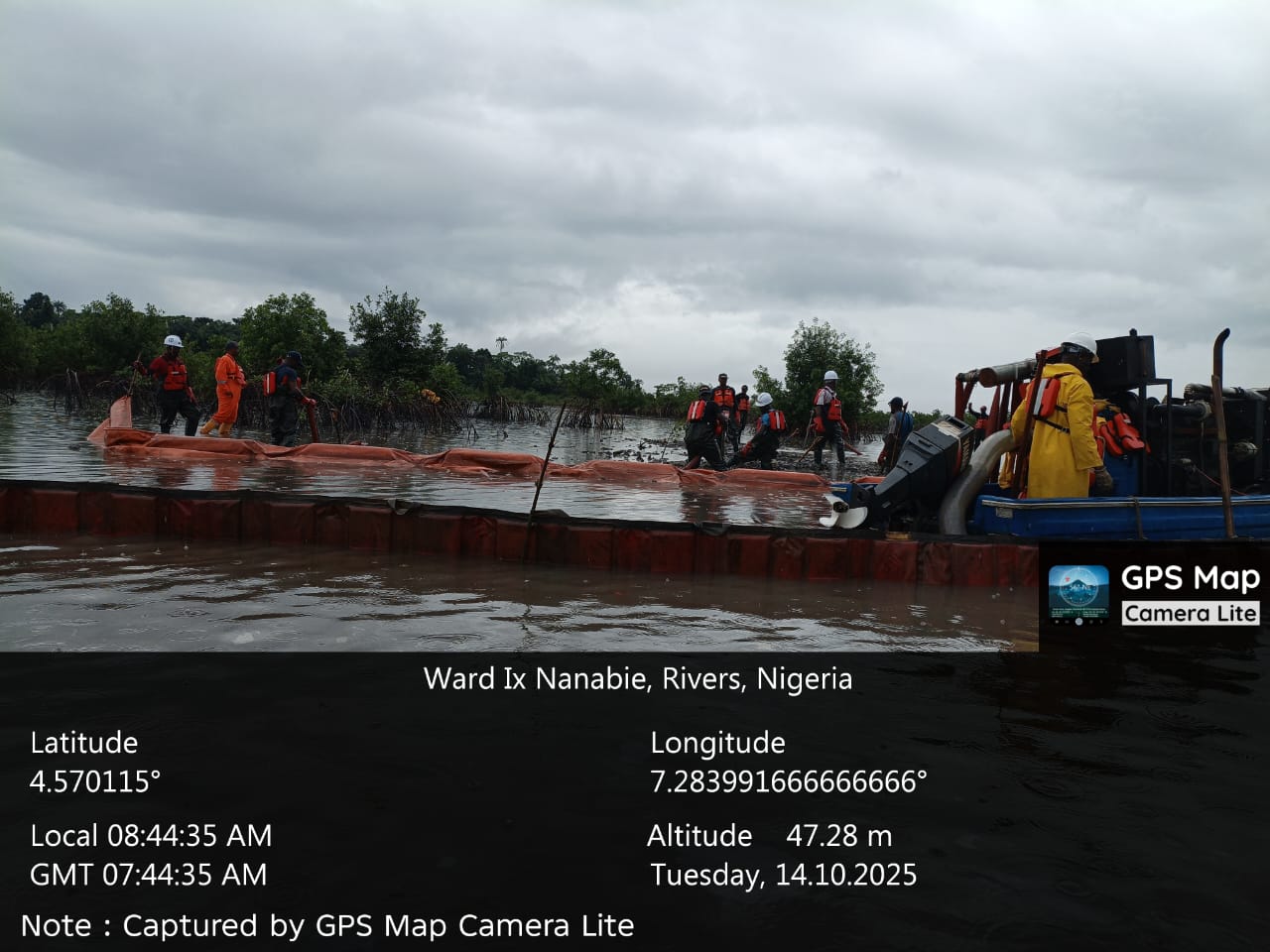
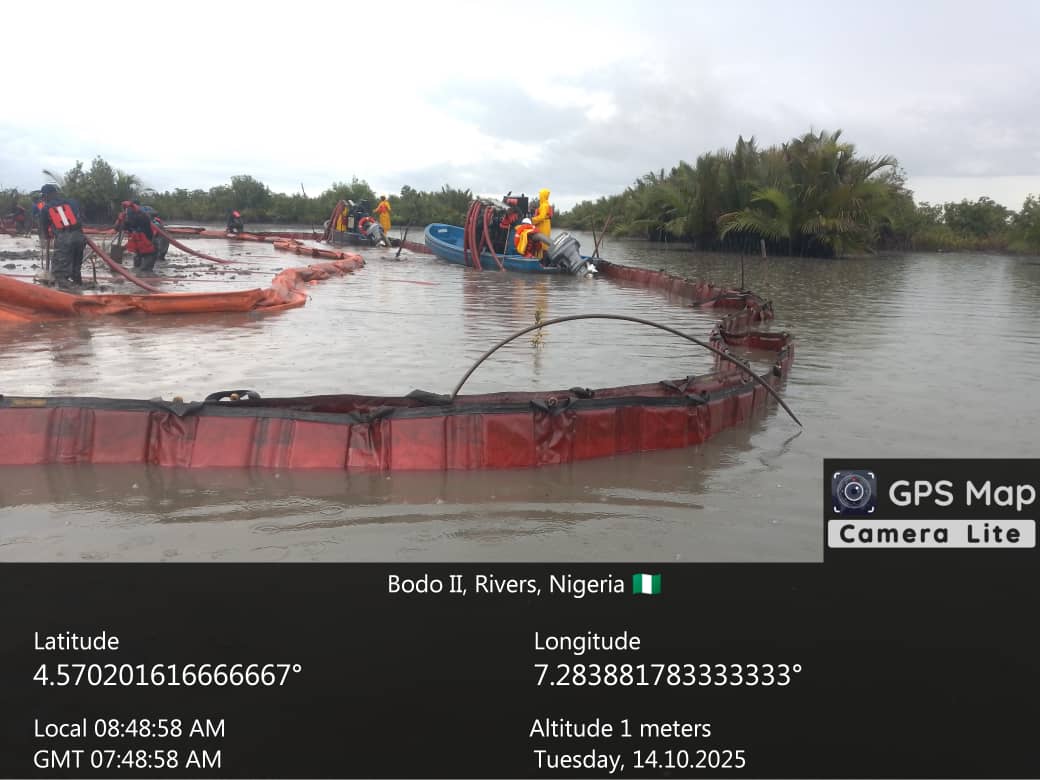
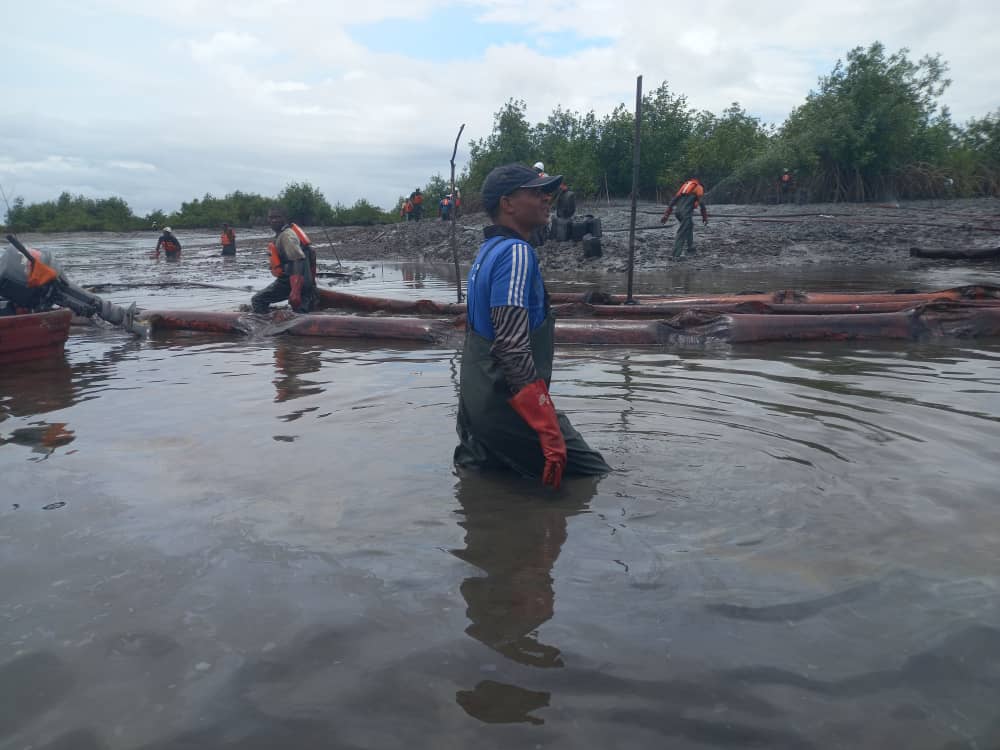
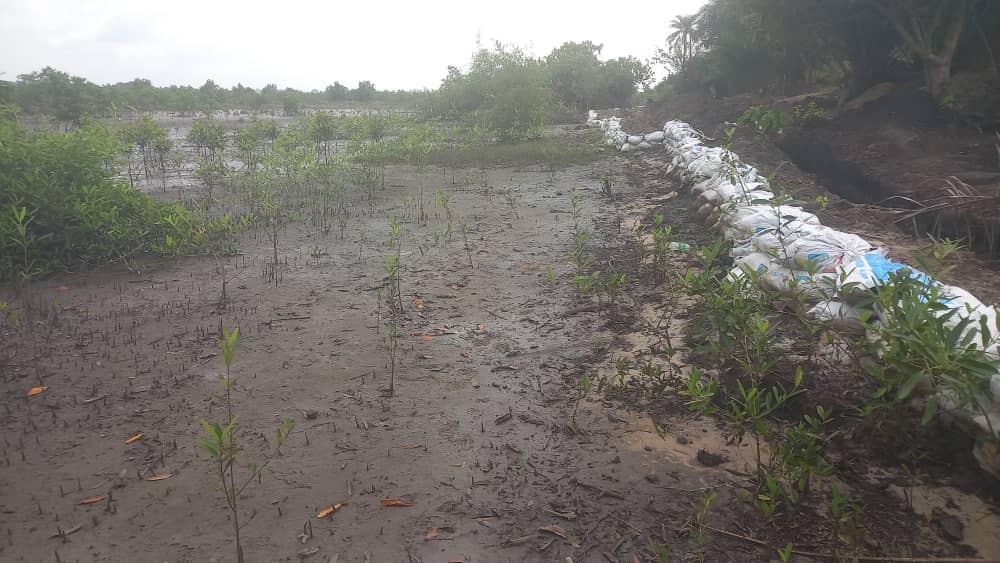
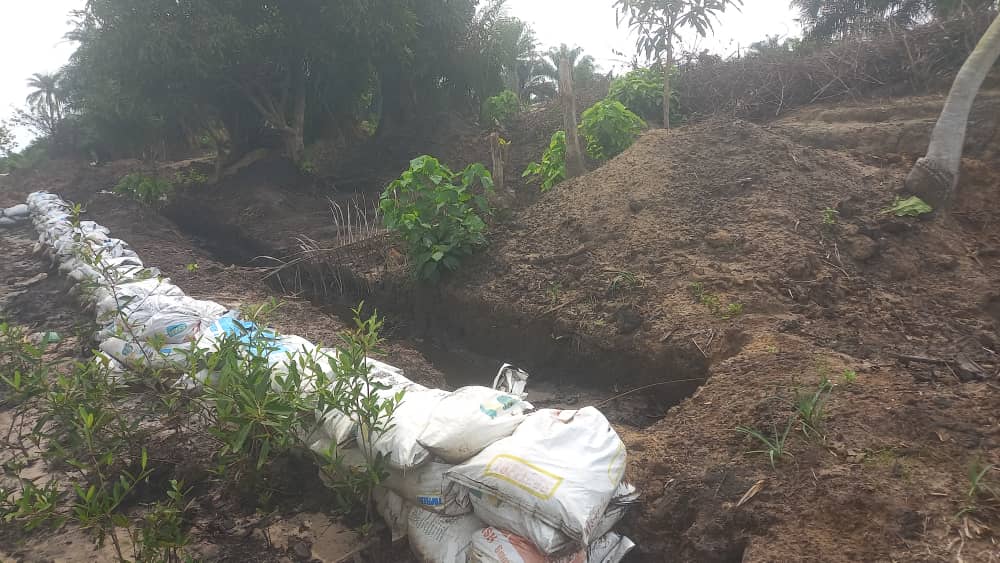
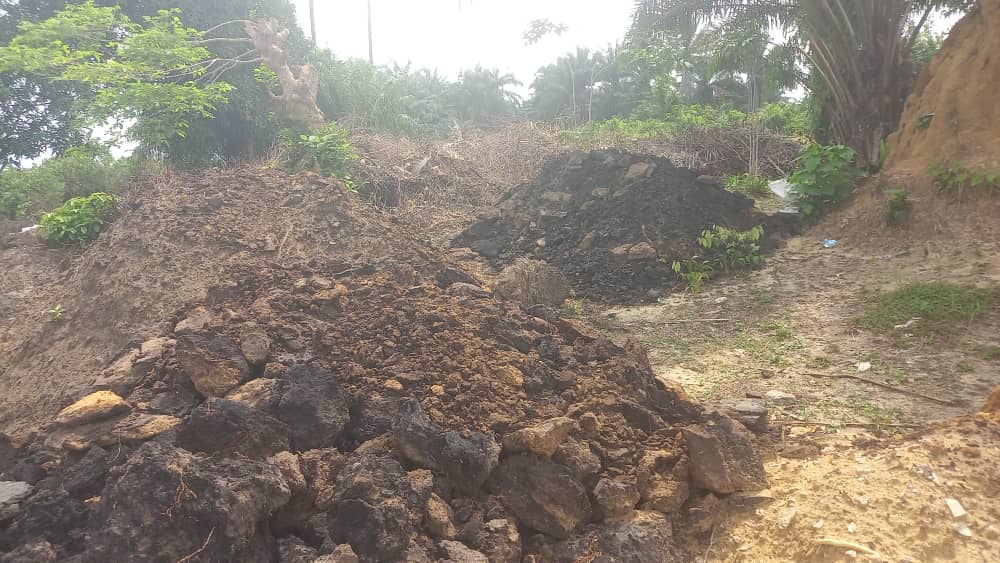
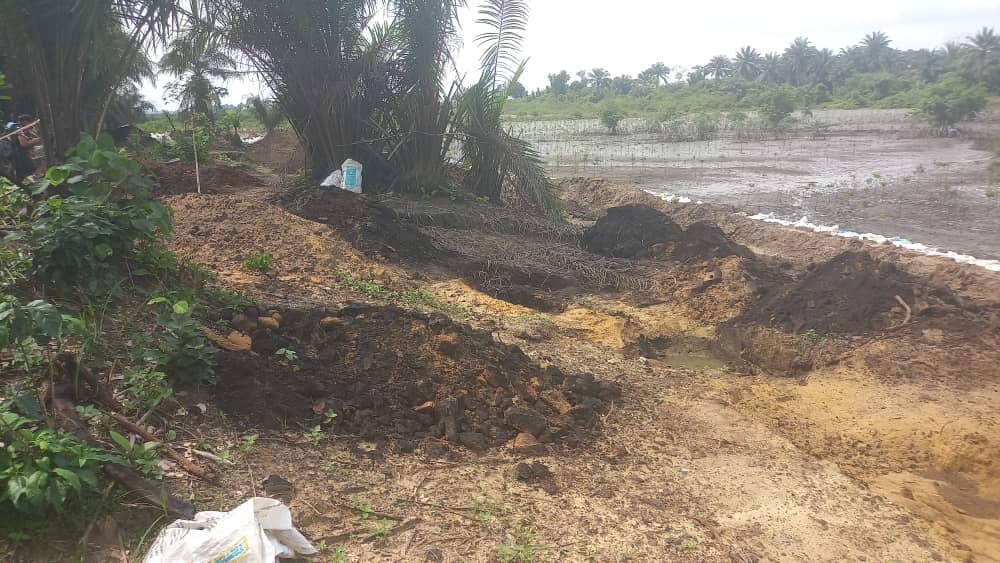
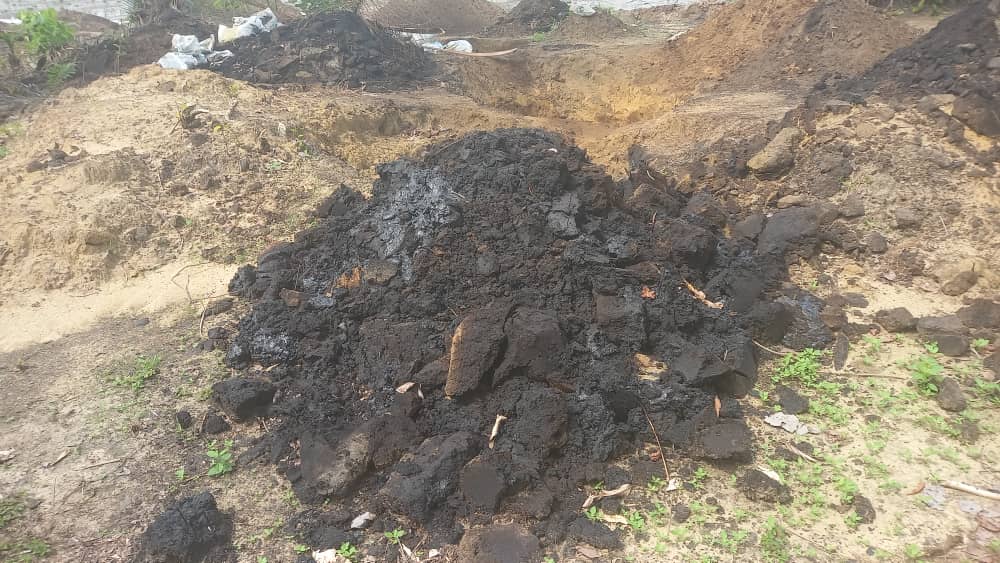
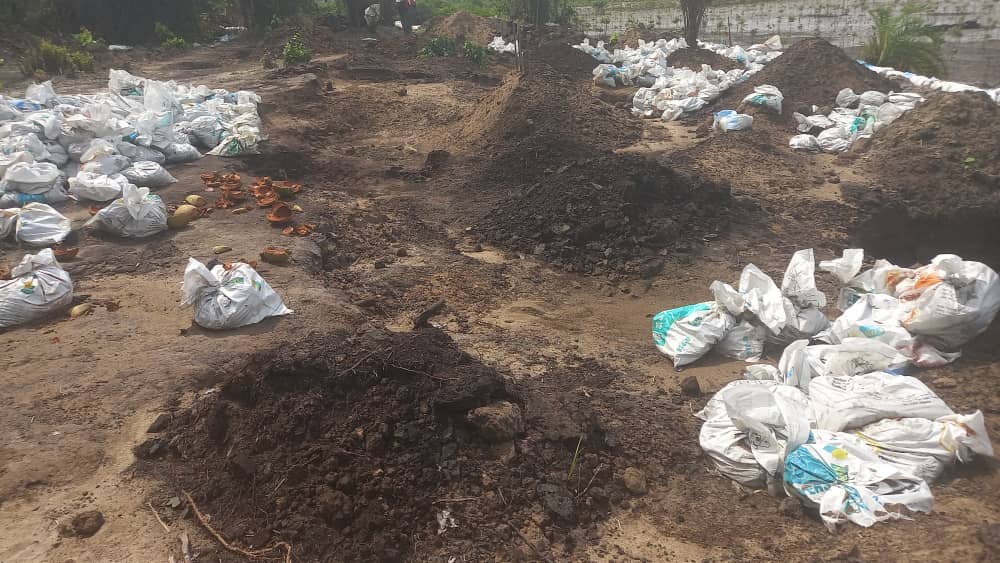
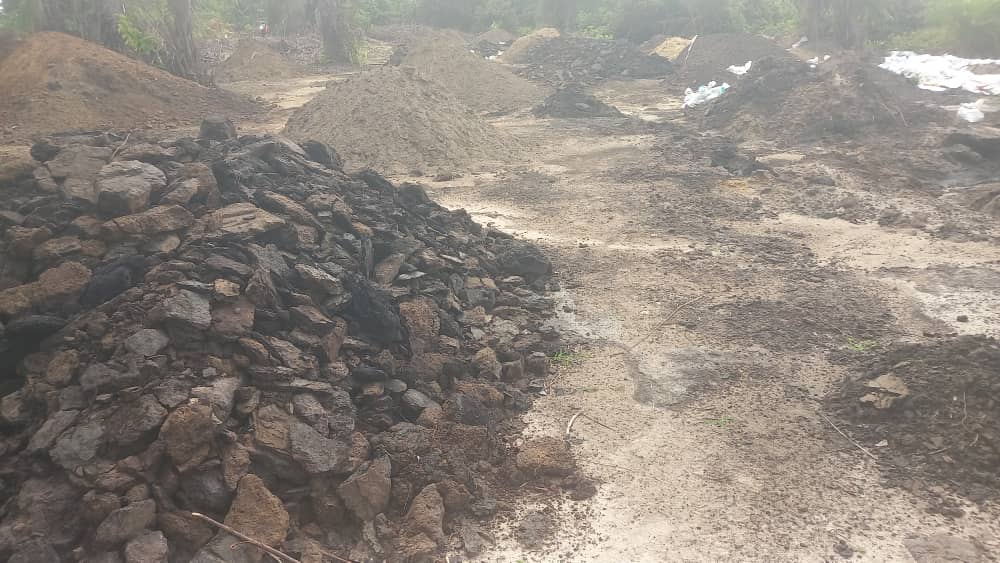
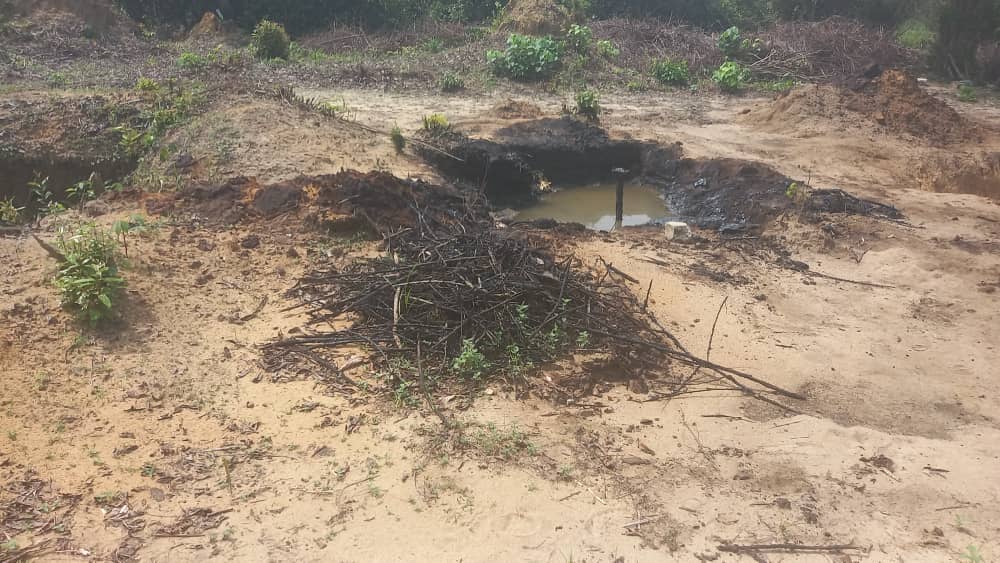
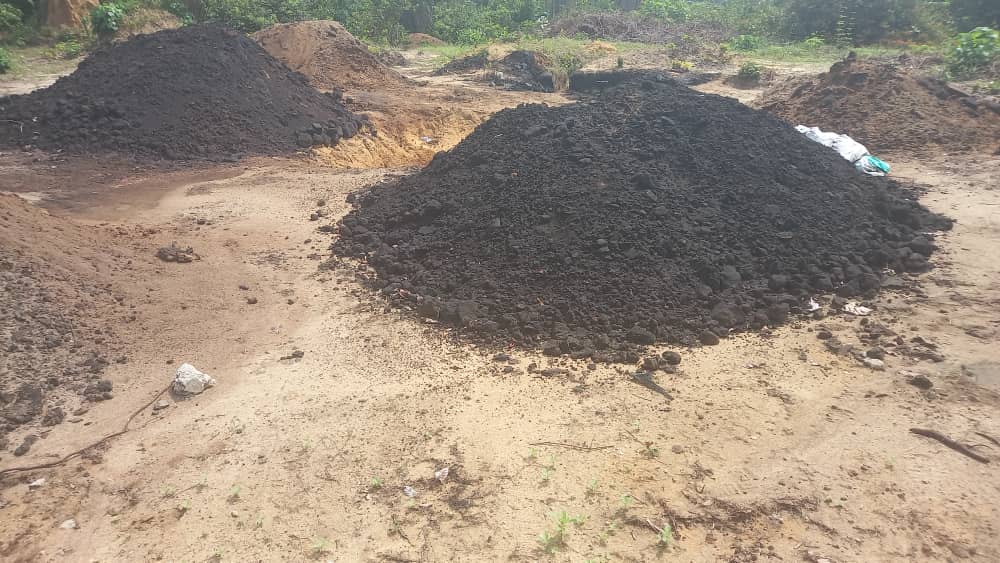
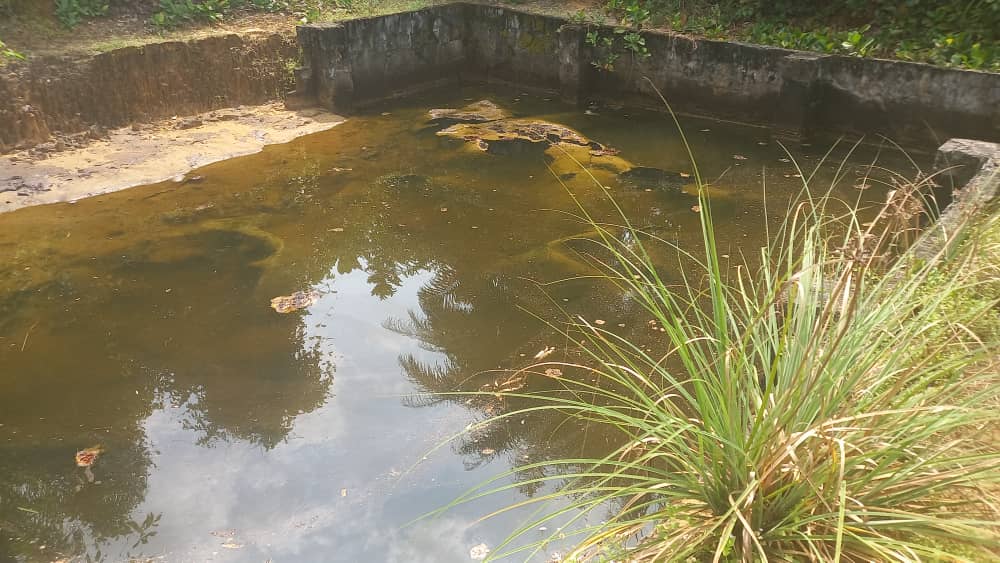
Mangrove restoration and conservation initiatives are vital for preserving these unique coastal ecosystems and safeguarding the services they provide.
Benefits of mangrove restoration to rural community and the environment
- Improve water quality, reduce the impacts of pollution, and help to reduce the impacts of climate change. Overall, mangrove restoration is an important tool for preserving and restoring coastal ecosystems.
- Enhance biodiversity conservation: Protect and promote the diverse flora and fauna that depend on mangrove ecosystems, ensuring their long-term survival.
- Mitigate climate change impacts: Mangroves act as crucial carbon sinks, sequestering large amounts of carbon dioxide. By restoring and conserving mangroves, we can contribute to climate change mitigation efforts.
- Mangrove forests provide the habitat conditions to support a wide variety of marine and terrestrial species, including fish, crustaceans, birds, and mammals. The complex root systems of mangroves provide shelter and breeding grounds for many aquatic species, contributing to overall biodiversity.
- Coastal Protection: Mangroves serve as natural barriers protecting coastal areas from erosion, storm surges, and extreme weather events. The dense root systems of mangroves stabilize terrestrial-marine threshold (i.e. the shoreline), helping to reduce the risk of damage to coastal communities and infrastructure, mitigating the impact of waves.
- Community Resilience: Mangroves play a role in enhancing community resilience to climate change impacts. By acting as natural buffers against storms and sea-level rise, they reduce the vulnerability of coastal communities and provide a safety net during extreme events.
- Fisheries Support: Mangrove ecosystems are often referred to as “nurseries of the sea” because they provide ideal breeding and nursery grounds for many commercially important marine species.
- Economic Benefits: Mangroves contribute to the economic well-being of local communities through fisheries, tourism, and other ecosystem services.